If you’ve tried this and still can’t sign in, contact your local office or email info@richardsonmediagroup.net.

FAITH: Troubles do not last always
Most of us have lived long enough to know that life can change quickly. A phone call, a diagnosis, a divorce, a layoff, a funeral, a financial setback, a season of uncertainty — and suddenly the ground beneath us does not feel as steady as it once did, as we anticipated or had planned.
I have walked with people through those moments for over two decades. Though the setting has changed as life has evolved over the years, the human need has not changed.
People still need you. They still need love and compassion. They still need someone to remind them that today’s hardship is not necessarily tomorrow’s headline.
Scripture has been honest about struggle. It does not pretend that faithful people float above pain. The Psalmist writes, “Weeping may endure for a night, but joy comes in the morning” (Psalm 30:5). That verse does not promise that the night will be short. It promises that the night is not eternal.
I think that distinction matters.
We live in a time when many people are carrying more than they say out loud. Gallup’s 2024 global emotions reporting found that 39% of adults worldwide said they experienced a lot of worry the previous day, and 37% said the same about stress.
Here at home, the American Psychological Association reported that two-thirds of U.S. adults said they could have used more emotional support in the previous year. In other words, if life feels heavy, you are not strange. You are human. If anything, you are feeling very normal feelings.
But being human also means we are capable of healing, adapting, rebuilding, and beginning again. The American Psychological Association defines resilience not as pretending things are fine, but as adapting to difficult life experiences with flexibility, support, and practiced coping. Resilience is not a personality trait reserved for the lucky few. It can be cultivated.
That is good news for all of us.
The Old Testament prophet Isaiah speaks to weary people with this promise: “They that wait upon the Lord shall renew their strength; they shall mount up with wings as eagles” (Isaiah 40:31).
I have always loved that image, not because it sounds easy, but because renewal implies that strength can return. You can be tired and still not be finished. You can be wounded and still be becoming whole.
Julian of Norwich, writing after plague, violence, and personal suffering, offered one of the most enduring lines in spirituality: “All shall be well.”
She did not say all things already are well. She said they shall be. That is faith with its sleeves rolled up. It looks at the brokenness honestly and still believes grace is not done in and through us.
Archbishop Desmond Tutu put it this way: “Hope is being able to see that there is light despite all of the darkness.” That kind of hope is not denial. It is defiance. It is a holy refusal to let despair write the ending, for any of us.
After many years, sleepless nights, and a heart often heavy, I see hope in very practical forms.
Hope can look like compassion on a street corner. Hope can look like a conversation at the supermarket with someone our elder. Hope can look like a neighbor who notices, a friend who calls, a faith community that serves, a nonprofit that keeps going, or a community that decides people are worth the investment.
And you do not have to be a preacher to practice that kind of ministry. You do not even have to use religious language.
You can bring a meal. Make a call. Sit in the waiting room. Help with a bill. Speak a kind word. Give someone room to grieve without rushing them toward a lesson.
The Apostle Paul wrote, “Bear one another’s burdens” (Galatians 6:2). Maybe that is how struggles begin to lose their permanence. Not because life magically becomes easy, but because burdens get lighter when they are shared.
Troubles do not last always.
Love does. Hope does. Grace does.
And sometimes morning comes slowly — but it does come.
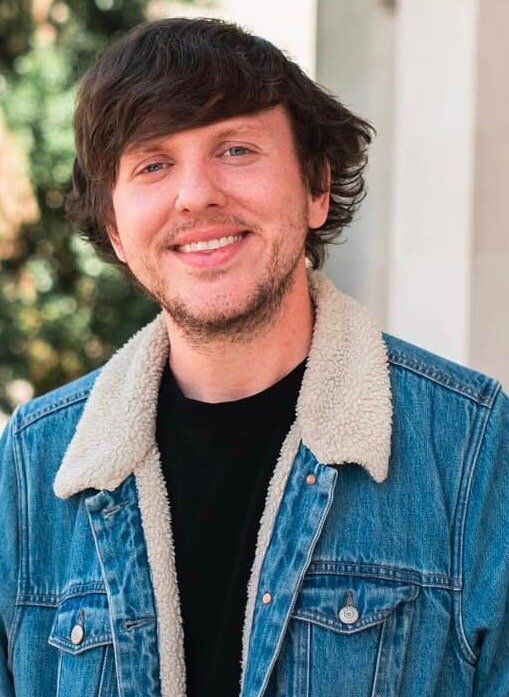
Adam Johnson is a strategy consultant and ordained minister with two decades of experience in nonprofit leadership nationwide, currently the CEO of Habitat for Humanity of Jackson TN. He holds advanced degrees in nonprofit organization from the University of Memphis. Adam lives in Jackson with his wife, Kayla, and their daughter Josephine,


