If you’ve tried this and still can’t sign in, contact your local office or email info@richardsonmediagroup.net.

FAITH: Finding beauty in broken places
If you spend enough time paying attention to people — really paying attention — you start to notice something remarkable. Some of the kindest folks you’ll ever meet didn’t get that way because life was easy on them. They got there because it wasn’t.
They’ve buried parents. Raised children through hard seasons. Lost jobs they thought they would retire from. Sat in waiting rooms for far too long. And somewhere along the way, instead of becoming smaller or bitter, they became gentler and kinder.
I think about that a lot these days.
We live in a world that celebrates what’s shiny and new. We admire the fresh paint, the grand opening, the success story that looks effortless from the outside. And these things are important, too! But most of us know — deep down — that the real story of life usually happens somewhere else. It happens in the repair, not just the reveal.
Theologian Frederick Buechner once said that grace meets us exactly where we are. I’ve come to believe that includes the unfinished places — the parts of our lives still needing repair.
Especially those parts.
There’s a habit in American culture of trying to move quickly past discomfort. We want quick solutions, clear answers, and preferably a happy ending wrapped up before supper. Even faith communities sometimes fall into that pattern, offering reassurance before people have had space to grieve or wrestle honestly with their questions. We have become awfully good at repression.
But some of the wisest voices, who have lived this and became “better,” have suggested something different.
Henri Nouwen wrote often about what he called the “wounded healer.” His belief was simple but profound: our brokenness doesn’t disqualify us from helping others. In fact, it may be the very thing that allows us to recognize suffering when we see it.
You don’t have to be religious to understand that.
Anyone who has survived a difficult season knows how quickly compassion grows afterward. The person who has struggled financially notices the single parent counting groceries at the checkout line. The person who has endured illness recognizes the exhaustion behind another stranger’s smile.
Pain, strangely enough, can become a teacher.
I see this lesson play out across West Tennessee all the time.
I’ve watched volunteers spend entire days repairing and building homes they’ll never live in. I’ve seen neighbors organize meal trains for families they barely knew a week earlier. I’ve seen communities rally around someone whose worst day suddenly became everyone’s shared concern. That is who we are, and that brings me hope.
There’s a kind of quiet beauty in that — not loud or flashy, but steady.
The Japanese art of kintsugi repairs broken pottery using gold lacquer, intentionally highlighting the cracks rather than hiding them. The philosophy suggests that damage becomes part of an object’s story, and therefore part of its beauty.
That idea feels deeply human to me.
We spend so much energy trying to conceal our fractures — our regrets, our disappointments, the moments we wish we could redo. But what if those very experiences are what allow light to enter differently?
The poet and farmer Wendell Berry once wrote, “There are no unsacred places.” He understood something essential about ordinary life: holiness doesn’t only live in houses of worship or on Sunday mornings. It shows up wherever people choose care over indifference.
Sometimes that looks like forgiveness offered when pride would be easier. Sometimes it looks like rebuilding after loss.
Sometimes it looks like simply showing up — again and again — when giving up might feel more reasonable.
Finding beauty in broken places doesn’t mean pretending suffering is good. It isn’t. Loss hurts. Disappointment leaves marks. Some wounds never fully disappear.
But beauty has a way of growing anyway.
After storms, you’ll sometimes notice how the light changes. The air feels clearer. Colors look sharper somehow. Nothing about the storm itself was desirable — but what follows can still be meaningful.
Maybe faith, at its best, is simply the courage to believe restoration is possible even when evidence feels thin.
Maybe hope is less about certainty and more about stubborn kindness.
And maybe the most beautiful parts of our lives are not the moments when everything finally came together — but the ones when we discovered we could begin again.
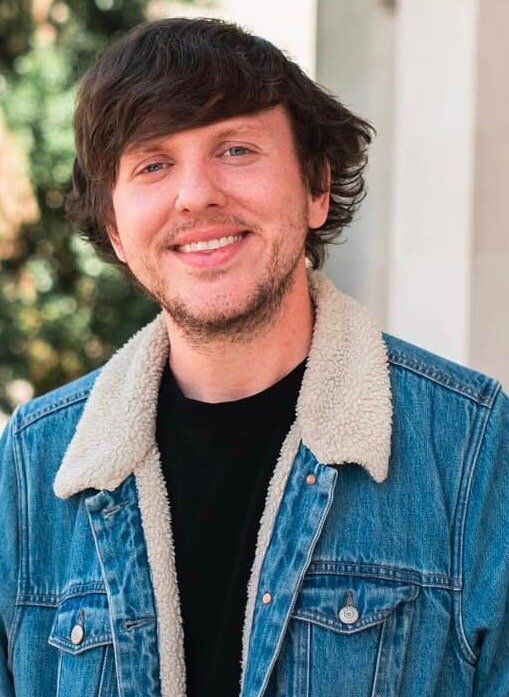
Adam Johnson is a strategy consultant and ordained minister with two decades of experience in nonprofit leadership nationwide, currently the CEO of Habitat for Humanity of Jackson TN. He holds advanced degrees in nonprofit organization from the University of Memphis. Adam lives in Jackson with his wife, Kayla, and their daughter Josephine.


