If you’ve tried this and still can’t sign in, contact your local office or email info@richardsonmediagroup.net.

OPINION: The complicated constructs of a narrative
Narratives are interesting constructs. They’re formed over time by observations, experiences, and repetitive patterns. Some narratives are grounded by multiple sources of truth, while others are glued together by rumor and innuendo. More often than not, however, narratives are a mixture of both—shaped as much by perception as fact.
Before I started to closely follow local politics several years ago, I had my own narratives about our County Commission based on what I had heard and somewhat observed:
“The County Commission won’t fully fund the school system.”
“The County Commission values building a jail over building new schools.”
“A small group of influential commissioners holds all the power.”
Like all narratives, the ones I formed were a mix of some truths as well as some personal, inaccurate perceptions I created over time. The more I attended local meetings and spoke with certain commissioners, the more I understood how complex the decision-making processes could be. Narratives were a definitive way for me to stake my position, but the reality of what I thought I knew was much more convoluted.
Recently, though, a letter sent to local media and the Madison County Commission by former chairman and current commissioner Gary Deaton made me revisit the one narrative I was never able to unpack fully: Are there actually outsized political influencers pulling strings behind the curtain?
Earlier this week, in a letter addressed to Mayor AJ Massey (and basically everyone else in Madison County), Commissioner Deaton took issue with how Massey has positioned himself in his reelection campaign.
“Over the past several weeks, I have reviewed a number of public communications and campaign materials that reference accomplishments attributed to you (Massey) and to ‘my administration’; (as stated in your campaign materials).
“Lets (sic) be clear: These representations are inaccurate, misleading, and inconsistent with Tennessee law governing county government. In several instances, they rise to the level of being knowingly false,” Deaton wrote.
Here’s where things start to get a little strange: Deaton never denies that any of these accomplishments happened; he’s just upset that the commission didn’t get the credit.
Deaton closes his letter by taking the bullet-point accomplishments Massey touted in his campaign and reframing them as the county commission's doing rather than the mayor's.
I can understand being upset about not getting credit for major accomplishments, but the timing and public nature of the letter suggest something much deeper than simply hurt feelings.
This is where the narrative begins to coalesce.
If Deaton was so upset with Massey for not giving credit where credit was due, why not simply talk to Massey in private? Why not send an email with the subject line: “Why is Your Campaign Built on Lies?” Or, why not pull Massey aside after a committee meeting, commission meeting, or caucus meeting and gently remind him that the commission and the mayor are partners?
There were plenty of opportunities for Commissioner Deaton to address Mayor Massey one-on-one. Yet, Deaton chose to do so publicly two weeks before early voting kicked off to address his concerns.
Anyone who has followed local politics from a distance or up close knows that Gary Deaton has been and remains an influential commissioner. For over a decade, he was the Chairman of the commission and has a presence and voice that demand attention when he speaks. People listen to him, especially people who have been beside him on the commission for years.
Therein lies the rot in this entire situation.
Deaton’s letter could be easily seen as an attempt to thwart Massey’s campaign from within, using the political influence he had built over the years to shift votes to or from specific candidates in a primary election already limited to certain voters. If that truly is the case in this situation, then these types of political systems need to be addressed and called out.
Our most recent mayoral elections, both city and county, have been fraught with drama. In 2022, the county mayoral race was overshadowed by interpretations of primary election law. A year later, the city's mayoral race was peppered with insults and tacky mailers from special-interest groups. This race seemed to be missing all the negative aspects of politics until Mr. Deaton’s letter showed up in the inbox of local media outlets and county commissioners.
The three men running in this primary deserve not to be overshadowed by any potential backdoor political maneuvering. Taxpaying voters should make their own decisions when casting their ballots in the next few weeks by speaking with candidates personally, rather than being caught in narratives manufactured by political power brokers.
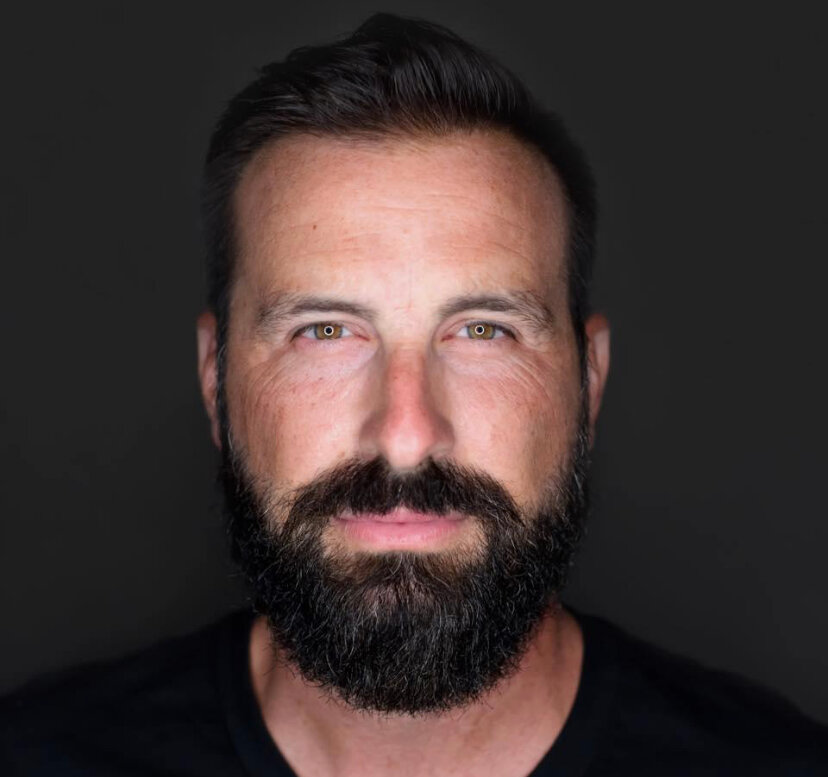
Gabe Hart is an educator in Jackson and has written columns that have run in a number of news outlets at the local and statewide level.


