If you’ve tried this and still can’t sign in, contact your local office or email info@richardsonmediagroup.net.

FAITH: What we hand down, we first had to build
In a place like West Tennessee, tradition is not some abstract idea. It is not just a word you hear in a speech or read in a book. It is the way people still take food to a family that is hurting. It is the way folks gather on front porches and in fellowship halls. It is the way a town remembers its stories, honors its elders, sings old songs, and still finds room to welcome somebody new.
Around here, tradition has a way of showing up with a handshake, a casserole and a folding chair.
And maybe that is why I keep coming back to this simple thought: Tradition is innovation that was successful.
There is a lot of truth in that.
Every tradition we now cherish was once somebody’s new idea. Somebody had to be the first person to say, “Let’s do it this way.” Somebody first put together the recipe. Somebody first organized the meal train. Somebody first decided that when sorrow came, that we ought to show up and sit, and listen. Somebody first found a better way to pray, to sing, to serve, to gather, to heal. And because it was good, because it helped people, because it gave language to love or shape to belonging, it stayed.
That is how tradition is born.
I think sometimes we talk as though tradition and change are enemies. We act like we have to pick one or the other, as though honoring the past means fearing the future, or embracing the future means dismissing the past. But things are rarely that simple. Neither is faith. Neither is family. Neither is life.
The truth is, the best things in life usually hold both.
We need roots, and we need growth. We need memory, and we need imagination. We need the wisdom that has been handed down to us, but we also need the courage to ask what that wisdom looks like in a different generation, a different neighborhood, a different world than the one generations before us knew.
Because not every old thing is sacred just because it is old. And not every new thing is shallow just because it is new. Some traditions deserve to be protected. Some deserve to be repaired. Some need to be widened so more people can find shelter under them. And some things, if we are honest, need to be laid down with gratitude because they no longer bear the kind of fruit they once did.
That takes discernment. It takes humility. It takes a little grace, too.
The question is not simply, “Is this old?” or “Is this new?” The better question is, “Does this still give life?”
Does it help people belong? Does it make room for compassion? Does it draw out what is best in us? Does it remind us that we belong to one another? Does it strengthen the bonds of neighborliness, mercy, and hope? If it does, then it is worth holding onto. And if we practice it faithfully enough, it may one day become the tradition somebody else cannot imagine living without.
I see that all the time in community life. The strongest institutions, the healthiest faith communities, the most grounded families are not usually the ones that refuse to change. They are the ones that know what must never change and what can. They know how to preserve the heart of something, even if the form of it shifts with time. They know how to keep the fire without worshiping the ashes.
That, to me, is where hope lives.
In a world that changes fast, people are hungry for something steady. But steady does not have to mean stuck. Faithful does not have to mean frozen. Tradition, when it is healthy, still breathes. It still listens. It still makes room. It still carries the old truth forward in a way that speaks to the living.
And maybe that is our work now: to receive what is good with gratitude, to examine it with honesty, and to pass it on with generosity.
Because the traditions that hold us together tomorrow will be shaped by the courage, kindness, and wisdom we choose to practice today.
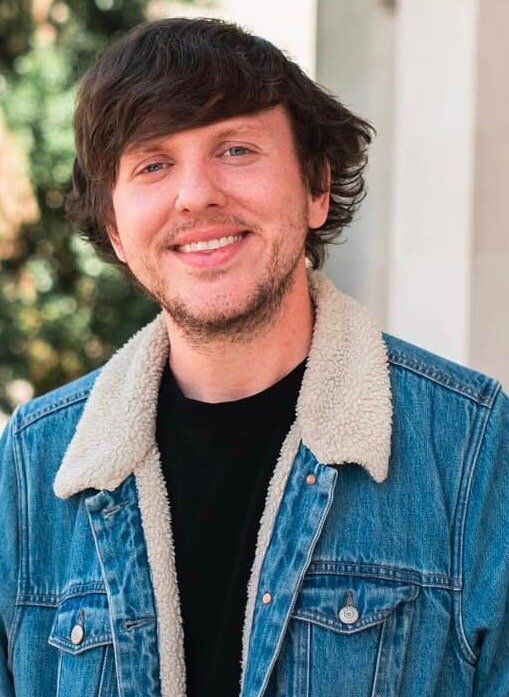
Adam Johnson is a strategy consultant and ordained minister with two decades of experience in nonprofit leadership nationwide, currently the CEO of Habitat for Humanity of Jackson TN. He holds advanced degrees in nonprofit organization from the University of Memphis. Adam lives in Jackson with his wife, Kayla, and their daughter Josephine.


